Orange Geometric KDP Notebook Cover: Design, Utility & Business Value
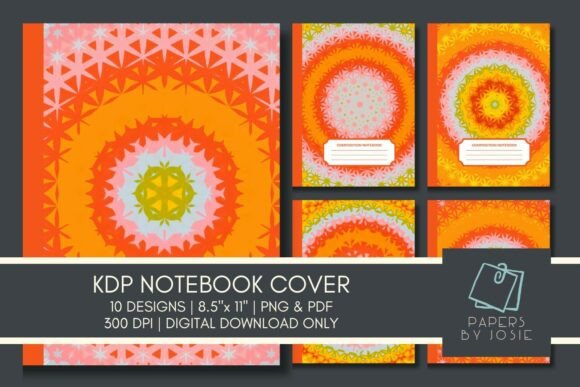
If you publish low-content books on Amazon KDP, you already know that cover design can make or break a listing. The Orange Geometric KDP Notebook Cover is not just another template—it represents a specific design direction that balances visual impact with market appeal. Geometric patterns in warm tones have performed consistently well in the composition notebook category, and for good reason: they catch the eye without overwhelming the product page. Whether you are launching your first title or scaling an existing catalog, understanding what this cover style offers and how to deploy it effectively matters more than simply uploading a file.
What Makes This Cover Distinctive
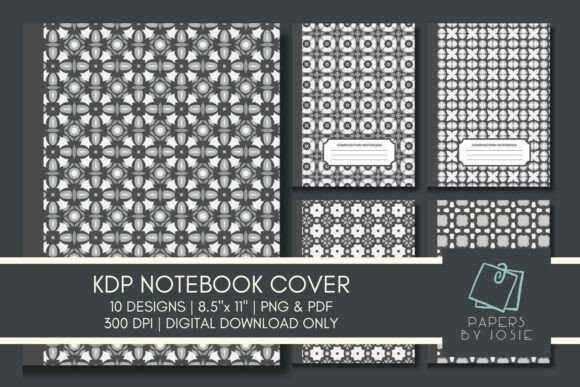
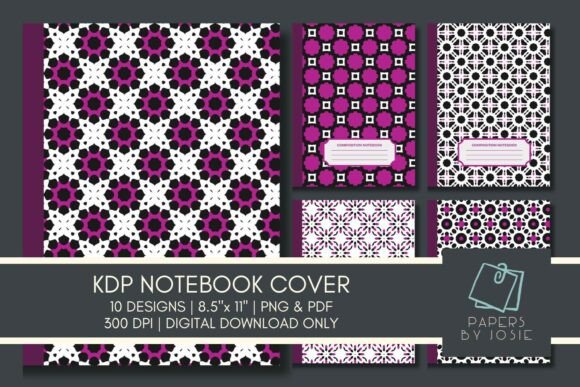
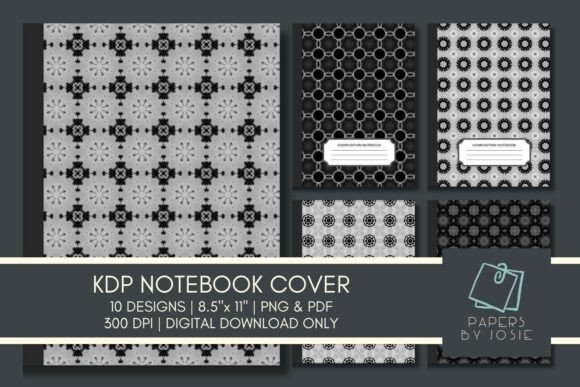
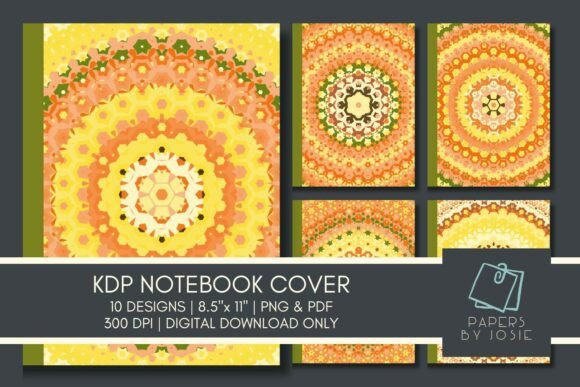
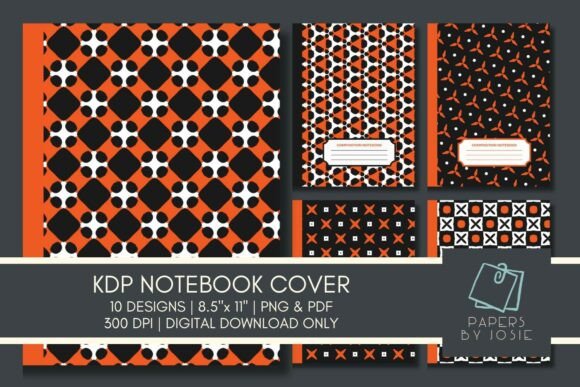
The collection includes 10 unique cover designs built around an orange geometric aesthetic. Orange sits in a sweet spot: it is energetic without being aggressive, modern without feeling cold. Paired with geometric shapes—triangles, hexagons, lattice work, or angular overlaps—the result is a cover that looks intentional and contemporary. Each design is different enough to serve separate niches, yet consistent enough that a shopper browsing your store sees a coherent brand identity.
Beyond the visual layer, the production specs matter. Each file comes at 300 DPI, which is the minimum standard for print-on-demand. At 8.5 x 11 inches, you are working with the most common size for composition notebooks—the format schools, offices, and creatives reach for by default. The interior is college ruled with 120 pages, a configuration that sells reliably because it matches what people actually use. College rule works for handwriting of all sizes, and 120 pages gives enough space for a semester, a project, or a month of journaling without feeling bulky.
The delivery format is practical: a single ZIP file containing both PNG and PDF versions. PNG files are ideal for listing images, mockups, and digital previews. PDF files are print-ready, meaning you can upload them directly to KDP without additional conversion steps. That saves time if you publish multiple titles in one sitting.
Real Applications Across Different Environments
A cover like this is not a one-size-fits-all asset. Different sellers and different end users will get value from it in distinct ways. Here are the environments where the Orange Geometric KDP Notebook Cover tends to perform best.
For the KDP Publisher Building a Brand
If you publish under a pen name or a small imprint, consistency across your catalog helps buyers recognize your work. Using the full set of 10 designs lets you launch a series of notebooks—maybe one for each subject, or one for each month of the school year. The geometric theme becomes your visual signature. When a customer buys one notebook and sees another with a similar but distinct cover, they are more likely to purchase again. That repeat behavior is what moves a seller from sporadic sales to steady royalty income.
For the Educator or School Supplier
Teachers and students buy composition notebooks in bulk. The orange geometric look works well for subjects like math, engineering, art, and design—fields where structured thinking meets creativity. A teacher might assign a specific cover pattern to a class period or a project type. As a publisher, you can list these notebooks with subject-specific keywords: “geometry notebook,” “engineering journal,” “design sketchbook.” The college ruling makes them functional for note-taking, while the 120-page count gives longevity through a term.
For the Creative Professional
Freelancers, designers, and writers often keep multiple notebooks for different projects. A geometric cover feels more intentional than a plain black or marble pattern. It signals that the notebook is a tool, not an afterthought. If you sell through KDP and also promote via social media or a personal website, these covers photograph well. The orange tones pop in flat lays and lifestyle shots, which matters for Instagram, Pinterest, and Etsy-style marketing.
For the Corporate or Promotional Use
Businesses sometimes order branded notebooks for clients, teams, or events. While they will add their own logo, the base cover design sets the tone. Orange geometric patterns convey energy, precision, and forward thinking. They work for tech startups, co-working spaces, design agencies, and innovation workshops. The 8.5 x 11 size is large enough for meeting notes, brainstorming sessions, and sketch work. If you sell to this segment, emphasize the clean interior layout and the print-ready PDF format—those are the details corporate buyers check first.
Why the Interior Details Matter for Usability
It is easy to focus entirely on the cover and forget that the interior determines whether someone actually uses the notebook. The KDP COMPOSITION NOTEBOOK COVER 10 set comes with a college-ruled interior at 120 pages. That is not a random choice. College rule has 7.1 mm line spacing, which accommodates both small and medium handwriting. It is the standard for high school and university students, but also for adults who prefer not to cram their letters into narrow lines. The 120-page count hits a sweet spot: thick enough to feel substantial, thin enough to finish within a reasonable time. Many consumers prefer a notebook they can complete rather than one that sits half-empty.
The 300 DPI resolution ensures that any printed text, lines, or margin indicators stay crisp. Even if you decide to add a back cover or interior flourishes later, the base files give you a clean starting point.
Practical Considerations When Selecting and Using This Set
No product is perfect for every situation. Here are a few things to think through before you upload.
- Target audience alignment. Orange and geometric patterns appeal strongly to a modern, design-conscious buyer. If your intended audience prefers traditional or minimalist looks—think solid colors or classic marble—this set may not be the best fit. But if you are targeting younger buyers, creatives, or STEM students, the orange geometric angle is a strength.
- Listing optimization. Because you get 10 unique designs, you can create 10 separate listings or offer them as a series. Make sure each title, subtitle, and description reflects the specific cover style and its intended use case. Generic copy will undercut the design advantage.
- Mockup flexibility. The PNG files work well for creating product previews. Use them in KDP's cover creator or with third-party mockup tools. Show the notebook in context—on a desk, next to a laptop, held by a hand. That kind of visual context helps conversion.
- Print readiness. Always download the PDF and check the bleed, margins, and spine width before publishing. Even well-made templates can shift slightly depending on your trim settings. A quick check saves returns and negative reviews.
Observations on Market Performance
From what I have seen across KDP categories, geometric covers in warm tones tend to perform well in the composition notebook and journal segments. They differentiate themselves from the sea of marble, dotted, and floral designs. Orange specifically has a psychological advantage: it signals enthusiasm, creativity, and confidence. Combine that with clean geometric lines, and you get a cover that looks premium without being fussy.
The 8.5 x 11 size is also worth noting. Many KDP publishers focus on 6 x 9 or 7.5 x 9.25 sizes for paperbacks, but composition notebooks are a different category. Buyers expect the larger format. Matching that expectation with a strong cover increases the chance of a sale.
Final Thoughts on Getting Value from This Set
The Orange Geometric KDP Notebook Cover collection gives you a solid foundation for building a notebook line that looks cohesive and sells to multiple audiences. The 10 designs provide variety without scattering your brand identity. The college-ruled 120-page interior at 8.5 x 11 is a proven format. The 300 DPI resolution and dual PNG/PDF delivery reduce technical friction.
What matters next is how you position each title. Think about the specific person who will pick up that notebook—the student who needs a dedicated math journal, the designer who wants a sketch companion, the professional who likes structured note-taking. Write your listing copy for that person. Use the cover design as a visual anchor, not just decoration.
If you are still building your KDP catalog, starting with a cohesive set like this saves time and gives you a repeatable template for future releases. Check the shop for additional designs if you need complementary styles or different color directions. The goal is not to have one good cover, but to build a library of notebooks that people trust and repurchase. That is where the real value lives.