Grow Your Own Medicine
The idea of growing your own medicine is not a nostalgic throwback but a practical shift toward self-reliance that more people are embracing. Instead of relying solely on store-bought remedies, you cultivate plants that have been used for centuries to support wellness. This approach is not about abandoning modern healthcare; it is about complementing it with something tangible, natural, and deeply satisfying. When you grow your own medicine, you learn to identify, harvest, and prepare herbs that address everyday concerns like stress, digestion, and immunity.
What makes this concept particularly interesting is how it merges gardening with personal health. You do not need acres of land or years of botanical training. A few pots on a balcony or a small patch in a backyard can yield mint for soothing tea, aloe vera for skin care, and tulsi for resilience. The process of nurturing these plants and then using them in your daily routine creates a direct link between your efforts and your well-being. It is grounded, practical, and surprisingly accessible once you know where to start.
Understanding the Essentials of Medicinal Gardening
At its core, growing your own medicine is about choosing the right plants for your needs and learning how to care for them. Not every herb requires the same soil, sunlight, or watering schedule, but many beginner-friendly options share similar growing conditions. Aloe vera, for example, thrives in bright, indirect light and well-drained soil, while mint prefers partial shade and consistently moist ground. Understanding these basics helps you avoid common mistakes and sets you up for a productive garden.
The knowledge extends beyond planting. You also learn when to harvest each part of the plant. Leaves are often best picked before the plant flowers, while roots require a longer growing season. The timing directly affects the potency of your medicine. This attention to detail is what separates a casual gardener from someone who truly uses their garden as a source of natural remedies.
Creative Ways to Use Your Harvest
Growing the plants is only half the picture. The real value comes from knowing how to transform them into usable remedies. There are several common methods that allow you to preserve and apply the medicinal properties of your herbs.
- Herbal teas: The simplest entry point. Steep fresh or dried leaves in hot water for a few minutes. Mint or chamomile can become a daily ritual that supports digestion or relaxation.
- Tinctures: Alcohol-based extracts that concentrate the plant’s active compounds. They last for years and require only a jar, some high-proof alcohol, and a few weeks of patience.
- Infused oils and salves: Combine dried herbs with a carrier oil like olive or coconut, then heat gently in a slow cooker or leave in a sunny window for several weeks. The resulting oil can be used directly or turned into a balm with beeswax.
- Syrups: A blend of herbal tea and honey or sugar, useful for soothing sore throats or coughs. Elderberry syrup is a classic example that many people make at home.
Each method has its own learning curve, but none require expensive equipment. A kitchen, some basic tools, and clean jars are enough to get started. The creative part comes from experimenting with different combinations and adjusting recipes to suit your personal preferences.
Examples of Practical Applications
Imagine you have a small indoor garden with three pots: aloe vera, mint, and ginger. On a typical morning, you might cut a small piece of ginger and steep it with fresh mint leaves for a wakeful tea that settles your stomach. Later, if you get a minor burn from cooking, you can snap off an aloe leaf and apply the gel directly. By evening, you might prepare a small batch of mint syrup to use for the next week if anyone feels under the weather. These are not abstract ideas but real, repeatable actions that fit into an ordinary day.
For someone living in an apartment with limited space, a vertical wall planter or a windowsill tray can hold basil, oregano, and small peppers, but also lemon balm and tulsi. The goal is to choose plants that serve multiple purposes. Tulsi, for instance, is an adaptogen that helps the body cope with stress, and it also adds a spicy flavor to salads and teas. Every plant in your collection should earn its spot by being useful, resilient, and aligned with your health priorities.
Adapting This Practice for Different Audiences
The beauty of growing your own medicine is that it adapts naturally to different lifestyles and goals. A busy professional might focus on a low-maintenance windowsill garden with aloe and mint, while a homesteader with more space could cultivate a dozen different herbs and create their own line of tinctures for family use.
- For freelancers and digital product sellers: This concept can become a content theme. You might create a course on herbal basics, an ebook on seasonal remedies, or a series of printable planners that help others track their harvest dates and preparation methods.
- For educators and hobbyists: A community garden workshop or a local meetup focused on medicinal plants can attract people who want hands-on learning. You can teach participants how to grow, harvest, and make a simple tea or oil on the same day.
- For entrepreneurs and small business owners: Consider collaborating with local wellness shops or farmers markets. Offering potted starter kits with three medicinal herbs and a small recipe card can become a product line that resonates with the growing interest in natural living.
- For bloggers and content creators: A regular series on a specific herb each month, including growing tips, preparation methods, and potential uses, builds a dedicated readership. The visual appeal of a thriving herb garden also lends itself well to video and photography.
Each group can take the same core knowledge and refract it through their own lens. The key is to stay grounded in practical advice and avoid overcomplicating the process. People resonate with honest stories of what worked and what did not, rather than perfect, polished instructions that feel out of reach.
Keeping Your Approach Clear and Effective
When you start sharing information about growing your own medicine, clarity becomes essential. Label everything clearly, from the plant pots to the finished products. A simple notebook or digital log where you record planting dates, harvest times, and preparation notes will save you from guesswork later. If you are creating content for others, use consistent names for plants and avoid mixing common names with scientific ones without explanation.
Originality does not mean inventing new plants. It means presenting familiar herbs in ways that feel fresh and actionable. Instead of listing fifteen plants at once, focus on three that are relevant to a specific season or health concern. For example, winter can emphasize echinacea, elderberry, and thyme for immune support, while summer highlights lavender, lemon balm, and peppermint for cooling and stress relief.
Avoid the trap of promising that herbs can replace medical treatment. The honest and responsible approach is to frame medicinal plants as supportive tools that can complement a healthy lifestyle, not as cures for serious conditions. This honesty builds trust with your audience and aligns with ethical content practices.
Practical Tips for Consistency and Growth
Building a sustainable practice around medicinal gardening takes time, but there are ways to stay consistent without feeling overwhelmed. Start with one plant that addresses a problem you personally face. If you struggle with anxiety, try lemon balm. If you wake up with sore muscles, consider comfrey or calendula for an infused oil. Once that plant becomes routine, add another.
Keep your processes simple enough that you can repeat them without special equipment. A basic tea can be made with a mug, a strainer, and hot water. A tincture needs only a jar and alcohol. Salves require a double boiler, but a heatproof bowl over a pot of boiling water works just as well. The goal is to build habits that fit your actual day, not a perfect, aspirational version of it.
For those who want to share this knowledge, consider creating a mini-guide that covers your top three plants and how to prepare one remedy for each. This focused approach is more likely to be consumed and shared than a long, comprehensive document. It also leaves room for future expansion as your audience grows and their curiosity deepens.
Aligning with an Eco-Friendly and Holistic Lifestyle
Growing your own medicine supports an eco-friendly mindset in several practical ways. You reduce packaging waste from store-bought remedies, cut down on transportation emissions, and have full control over whether your plants are grown without synthetic pesticides. Even if you cannot grow everything you need, supplementing with a few homegrown herbs makes a measurable difference over time.
The holistic aspect comes from the way this practice connects you to the rhythms of nature. You notice the first spring growth, the best time to harvest before the flowers bloom, and the shift in plant chemistry as the seasons change. This awareness extends beyond the garden and can influence how you approach food, sleep, and daily stress. It is not about perfection but about participation in a cycle that has supported humans for generations.
Final Thoughts on Starting Your Healing Garden
Growing your own medicine is a skill that rewards patience, curiosity, and a willingness to learn from small failures. A plant might not thrive in the spot you chose, or a tincture might not taste as expected, but each outcome teaches you something useful for the next attempt. The most successful practitioners are those who treat the process as a gentle experiment rather than a strict regimen.
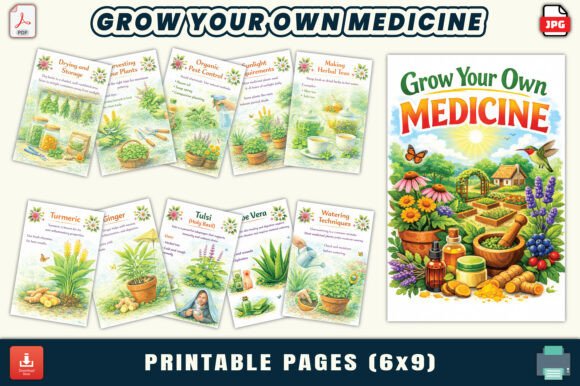
Whether you are a complete beginner or someone with a few years of gardening experience, there is always another herb to try, another preparation method to explore, and another way to share what you have learned. The 30-page eBook on this topic serves as a starting point, but the real education happens when you get your hands in the soil and your kitchen counters covered in jars. That is where the practical, grounded work of natural healing begins.